Agricultural facilities depend on reliable equipment to move, process, and store grain efficiently. However, improper operation and maintenance can expose workers to serious hazards, including entanglement, dust explosions, falls, and suffocation. Following safety procedures helps protect employees, reduce equipment damage, and maintain productivity. Understanding the risks associated with grain handling systems is essential for creating a safer workplace and supporting efficient daily operations.
1. Provide Proper Training Before Operation
Workers should understand equipment functions, operating procedures, emergency controls, and potential hazards before using machinery. Training on grain handling systems should cover conveyors, augers, bucket elevators, and grain storage equipment.
Employees must know how to recognize unsafe conditions and report problems immediately. Regular refresher training also helps workers follow updated procedures and perform assigned tasks responsibly.
2. Inspect Equipment Before Every Use
Routine inspections help identify problems before they cause accidents or expensive breakdowns. Before operating grain handling systems, check conveyor belts, electrical connections, protective guards, emergency stops, and moving components.
Look for unusual noises, loose parts, damaged wiring, or signs of overheating. Never operate equipment that appears unsafe. Report defects promptly and arrange necessary repairs through qualified maintenance personnel.
3. Control Grain Dust and Fire Hazards
Grain dust can become combustible when airborne or accumulated near ignition sources. Effective housekeeping is therefore essential when operating grain handling systems. Remove dust using suitable cleaning methods and follow facility procedures for controlling sparks, hot surfaces, and electrical hazards.
Avoid smoking or unauthorized hot work in hazardous areas. Regularly inspect dust collection equipment and maintain suitable fire prevention measures.
4. Follow Lockout and Tagout Procedures
Maintenance work can expose employees to unexpected machinery movement or electrical energy. Before repairing or cleaning grain handling systems, authorized workers should shut down equipment, isolate hazardous energy sources, and apply appropriate lockout and tagout procedures.
Verify that the equipment cannot restart before beginning work. Never remove guards or reach into moving machinery. Only authorized personnel should perform servicing according to established safety procedures.
5. Maintain Safe Grain Storage Practices
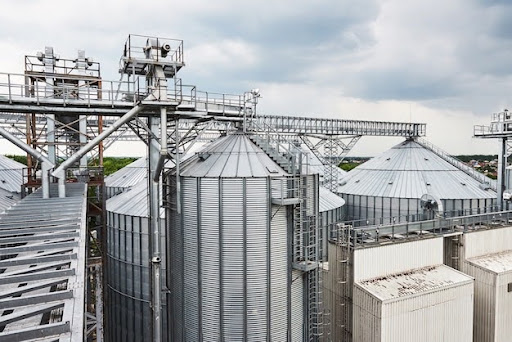
Grain bins and silos present serious engulfment, entrapment, and atmospheric hazards. Workers must never walk on moving grain or enter areas where unstable grain could collapse.
When entry into grain handling systems involving storage structures is necessary, follow applicable entry permits, energy isolation, atmospheric testing, harness, and attendant requirements. Never enter a hazardous bin alone or attempt an improvised rescue. Use trained personnel and suitable rescue equipment.
6. Schedule Preventive Maintenance and Safety Reviews
Preventive maintenance keeps machinery dependable and helps identify developing faults. Establish a schedule for inspecting bearings, belts, motors, guards, sensors, and other critical components of grain handling systems.
Keep maintenance records, replace worn parts, and follow manufacturer instructions. Review workplace safety procedures regularly, provide appropriate protective equipment, and ensure employees understand emergency response plans.
Final Thoughts
Workplace safety requires attention, training, inspections, and responsible maintenance. Properly managing grain handling systems helps reduce mechanical injuries, dust-related incidents, and grain storage hazards. Employers should establish clear procedures, train workers regularly, and address equipment defects without delay. Following applicable safety regulations and manufacturer recommendations can improve reliability while protecting employees.